

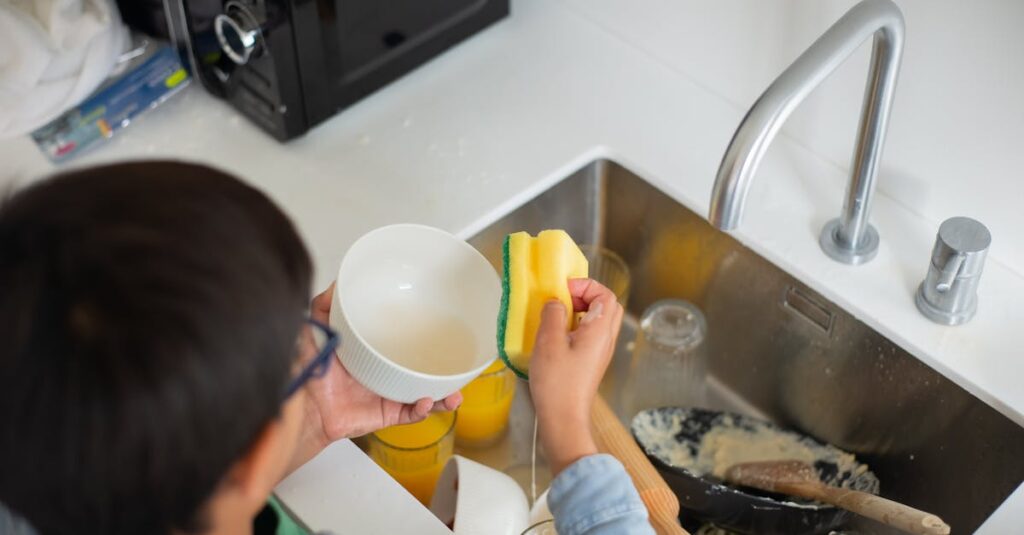
Responsibility is one of the greatest life skills we can teach our children. It shapes how they see themselves, how capable they feel in the world, and how they approach challenges as they grow. Children who are given age-appropriate responsibilities learn an essential truth early on: I am capable. I matter. I contribute.
Responsibility isn’t about perfection or pressure. It’s about giving children opportunities to practice skills, follow through, and experience the pride that comes from effort.
Responsibility Builds Confidence Over Time
Confidence doesn’t come from constant praise or protecting children from difficulty. It comes from doing hard things, making mistakes, and realizing they can handle challenges.
When children are trusted with responsibilities, both in the home and in their own personal growth, they begin to internalize:
- “I can do this.”
- “I am helpful.”
- “People rely on me.”
- “My effort matters.”
Over time, these experiences build real, grounded confidence that stays with them into adolescence and adulthood.
Contributing to the Household Matters
Giving children responsibilities that contribute to the family teaches them that they are a valued part of a team. These tasks should be age-appropriate, consistent, and clearly defined.
Examples include:
Toddlers & Preschoolers
- Putting toys away
- Helping set the table
- Throwing clothes in the hamper
- Feeding pets with supervision
Elementary-Age Children
- Making their bed
- Clearing dishes after meals
- Packing their school bag
- Helping with laundry
- Feeding pets independently
Tweens & Teens
- Doing their own laundry
- Helping prepare meals
- Taking out trash
- Babysitting siblings briefly
- Managing homework and school responsibilities
These tasks aren’t about “earning” love or approval; they’re about teaching children that being part of a family means contributing in meaningful ways.
Responsibility Beyond Chores
Responsibility also includes commitment to personal growth. Encouraging children to take ownership of skills and goals helps build discipline, perseverance, and pride.
Examples include:
- Practicing a musical instrument daily or several times a week
- Committing to a sport or extracurricular activity
- Completing homework and striving for good grades
- Managing school projects and deadlines
- Caring consistently for a pet
These responsibilities teach children how to manage time, tolerate frustration, and follow through—even when motivation is low.
Allow Space for Struggle (and Growth)
Responsibility naturally comes with challenges. Children will forget, resist, and sometimes fail. These moments are not setbacks, they are opportunities for continued growth.
When parents allow children to experience manageable frustration, they are teaching:
- Problem-solving skills
- Emotional regulation
- Accountability
- Resilience
Rather than rescuing or taking over, guide your child through reflection: What was hard? What could you try differently next time?
This approach strengthens confidence far more than doing things for them ever could.
Start Small, Then Build
Responsibility should grow alongside your child. Start with small, achievable tasks and gradually increase expectations as skills and maturity develop. Consistency is key: responsibilities should be predictable, not optional based on mood.
When children feel trusted with responsibility, they rise to meet it.
A Foundation for Lifelong Confidence
Teaching responsibility is not about raising “perfect” children. It’s about raising capable, confident ones—children who know they can contribute, learn, and grow through effort.
At Glacier Psychology Services, we believe mental health and wellness begin in the home and are strengthened through relationships, structure, and skill-building. Supporting children in developing responsibility is one of the most powerful ways to foster confidence, resilience, and emotional health.
If you’re unsure how to set age-appropriate expectations or your child struggles with follow-through, our team is here to support you. You don’t have to navigate this alone—and small changes can make a big difference over time.