

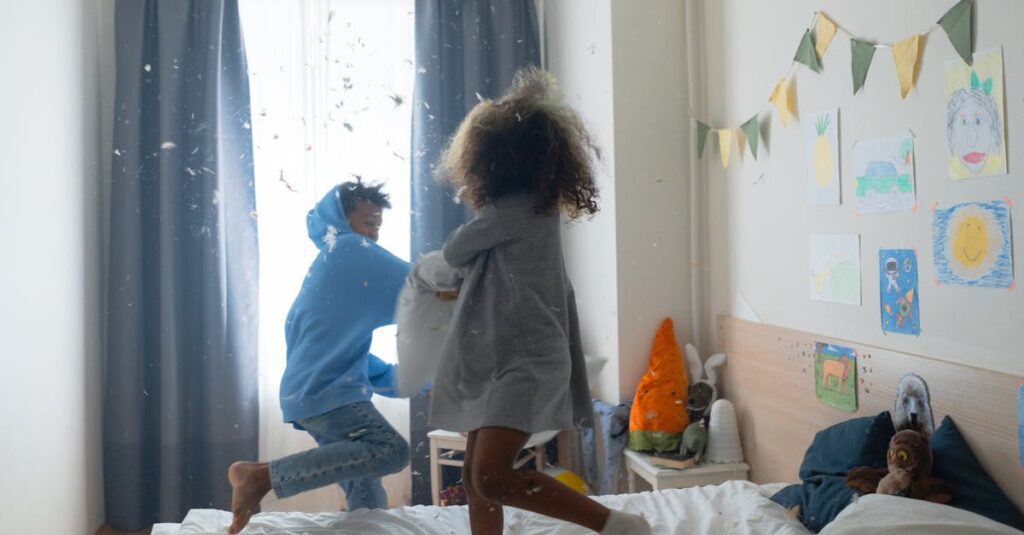
Sibling conflict is one of the most common concerns parents bring up and one of the most misunderstood. Many parents worry that frequent fighting means something is wrong: that their children don’t get along, that resentment is building, or that they are failing to create a peaceful home.
In reality, sibling conflict is often a normal—and even healthy—part of development.
Why Siblings Fight in the First Place
Siblings are learning how to exist in close relationship with one another. They share space, attention, routines, and resources. Unlike friendships, siblings don’t get to “take a break” from each other and that intensity creates opportunity for growth and friction.
Common reasons siblings fight include:
- Competition for parental attention
- Differences in age, temperament, and needs
- Limited emotional regulation skills
- Developing autonomy and independence
- Learning boundaries and fairness
None of these are signs of failure. They are signs of development.
Conflict Is a Classroom
Sibling relationships are often a child’s first and most important training ground for relational skills. Through conflict, children learn:
- How to express frustration
- How to negotiate and compromise
- How to tolerate disappointment
- How to repair after hurt
- How to consider another person’s perspective
When parents rush to stop all conflict, children lose access to these lessons. The goal is not to eliminate disagreement, but to help children learn how to move through it safely.
When Fighting Is Actually Doing Important Work
Healthy sibling conflict looks like arguments that eventually de-escalate, moments of upset followed by repair, and disagreements that don’t result in ongoing fear or harm. These experiences build distress tolerance and flexibility, skills children will rely on in friendships, romantic relationships, workplaces, and families of their own.
In this way, sibling conflict is often practice for real life.
The Parent’s Role: Coach, Not Referee
Parents don’t need to jump in and solve every disagreement. Instead, your role is to:
- Stay calm and grounded
- Ensure safety
- Help children name feelings
- Guide problem-solving when needed
Rather than assigning blame, parents can model curiosity:
- “What happened here?”
- “What were you feeling?”
- “What could help next time?”
This approach teaches accountability without shame.
When to Step In
While conflict itself is not the problem, parents should step in when:
- There is physical aggression
- One child is consistently overpowered or targeted
- There is ongoing fear or emotional harm
- Conflicts never resolve or escalate over time
In these cases, additional support and structure may be helpful.
Avoiding Common Pitfalls
Some well-intentioned responses can unintentionally increase conflict:
- Comparing siblings
- Taking sides too quickly
- Labeling one child as “the problem”
- Expecting constant harmony
Instead, focus on fairness, emotional understanding, and repair.
A Long-Term Perspective
Sibling relationships evolve. Children who fight frequently at one stage may become deeply bonded later. What matters most is not whether siblings argue but whether they are learning how to repair, reconnect, and coexist with respect.
When parents support this process, they are not allowing chaos; they are teaching lifelong relational skills.
Sibling conflict does not mean you’re doing something wrong.
Often, it means your children are learning something very important.