

At Glacier Psychology Services, one of the first things we teach many of our young clients, and their parents, is something surprisingly simple: a very basic understanding of how the brain works.
Not neuroscience at a graduate-school level. Not complicated anatomy or scientific terminology. Just a simple idea that can make a powerful difference in how children understand their emotions and behavior. When children learn that their brains work differently during big emotions, it can completely change how they respond to difficult situations.
When Emotions Rise, Thinking Gets Harder
Every child has experienced moments when their emotions feel overwhelming.
Maybe they feel:
- Angry after losing a game
- Frustrated with a sibling
- Embarrassed at school
- Scared about something new
In these moments, parents often try to help by immediately asking questions or offering solutions:
- “Why did you do that?”
- “What should you have done instead?”
- “Let’s talk about how to fix this.”
But here’s the problem:
When emotions are high, the brain’s thinking system isn’t fully available.
The part of the brain responsible for reasoning, decision making, and problem solving, often referred to as the thinking brain, temporarily takes a back seat when the emotional brain is activated.
This means that when a child is very upset:
- Their judgment is weaker
- Their problem-solving abilities are limited
- Their ability to listen or reflect is reduced
This isn’t defiance or stubbornness. It’s simply how the brain works. Honestly, often parents’ brains are experiencing a similar reaction in these high emotion moments with their children. So now, you may have two or three emotion minded brains trying to “problem solve” which usually does not work out too well.
Why Immediate Problem-Solving Often Backfires
Children naturally want quick answers. Parents often do too. But trying to solve problems while emotions are still intense can actually make situations worse.
A child who is overwhelmed emotionally may:
- Become more defensive
- Shut down
- Escalate the situation
- Feel misunderstood
The truth is that productive conversations rarely happen when a child is dysregulated.
Instead, the first step should always be regulation. Once the brain settles down, the thinking system can come back online. That’s when real learning and problem solving can occur.
Teaching Kids to Regulate First
When children understand that their brain needs to calm down before it can think clearly, they begin to approach challenges differently.
Instead of feeling confused or ashamed about their reactions, they start to recognize what is happening inside their body and brain. This understanding creates space for healthier responses.
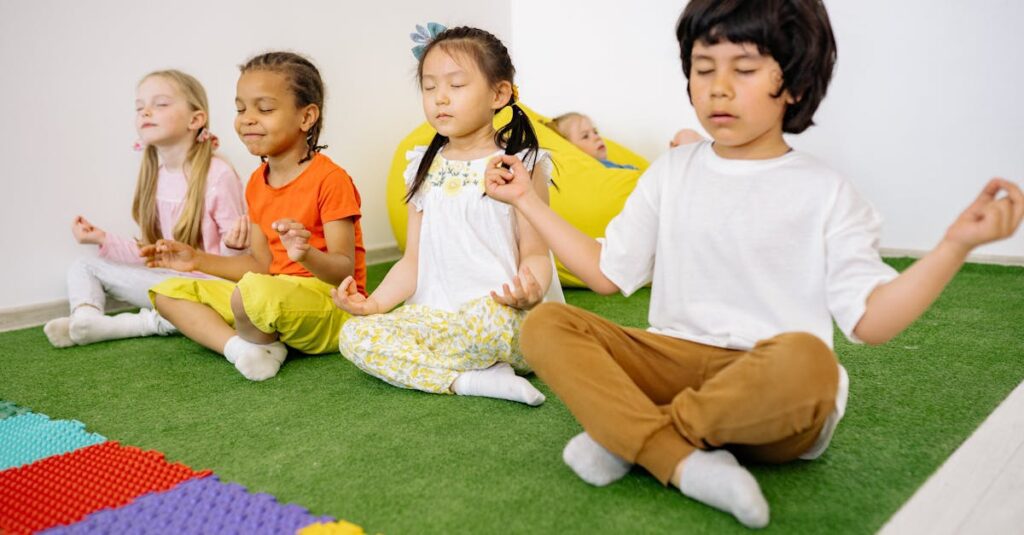
Some simple regulation strategies we often teach include:
- Taking slow, deep breaths
- Stepping away from the situation briefly
- Moving the body (walking, stretching)
- Drinking water
- Sitting quietly for a few moments
- Naming the feeling they are experiencing
These small skills help calm the emotional system and allow the thinking brain to re-engage. Once that happens, children are far more capable of reflecting on what happened and making better choices moving forward.
When Kids Understand Their Brains, They Feel Empowered
One of the most powerful things about teaching children basic neuroscience is that it removes shame.
Instead of thinking:
“Something is wrong with me.”
Children begin to understand:
“My brain just needs a minute to calm down.”
This shift helps children:
- Feel more in control of their emotions
- Develop stronger self-awareness
- Build healthier coping skills
- Improve communication with parents and teachers
It also helps parents respond with greater patience and empathy, recognizing that regulation must come before reasoning.
The Approach We Use at Glacier Psychology Services
At Glacier Psychology Services, we believe that education is empowering for both children and parents.
That’s why we take the time to help families understand the basics of how the brain responds to stress and strong emotions. When this understanding is paired with practical grounding and regulation strategies, children gain tools they can use throughout their lives. Rather than simply telling children to “calm down” or “make better choices,” we help them understand how their brain works and what it needs in difficult moments.
And when children understand their brains, something powerful happens.
They begin to thrive.
If you’re looking for support in helping your child build emotional awareness, regulation skills, and confidence, Glacier Psychology Services is here to help guide your family every step of the way.